



What stories do objects hold? And how can knowledge be recorded and passed on beyond letters?
We explored these questions in the PLURI workshop “Weaving Memories” at the Heinrich-Böll-Bibliothek Pankow, together with Silvia Lamaison (@silvia_lamaison21) from MigrArte Perú.
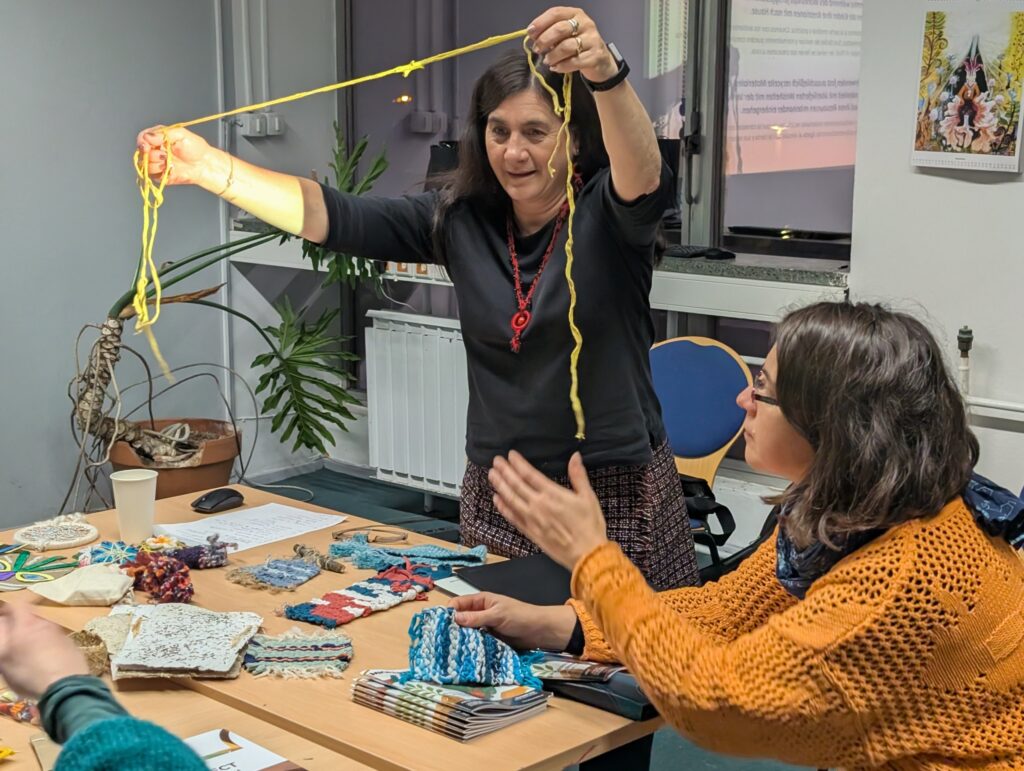
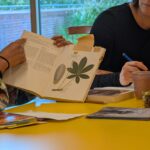
With her concept of “decolonial crafts”, Silvia connects hands-on making with the stories and knowledge that objects carry. Before participants begin to make something themselves, they learn about the origins, meaning and use of the objects. This engagement continues as they recreate them, including when they work with other materials because the original ones are not available. Many of the techniques shared were learned by members of MigrArte from Peruvian artisans of the women’s collective “Trenzando Fuerzas”.
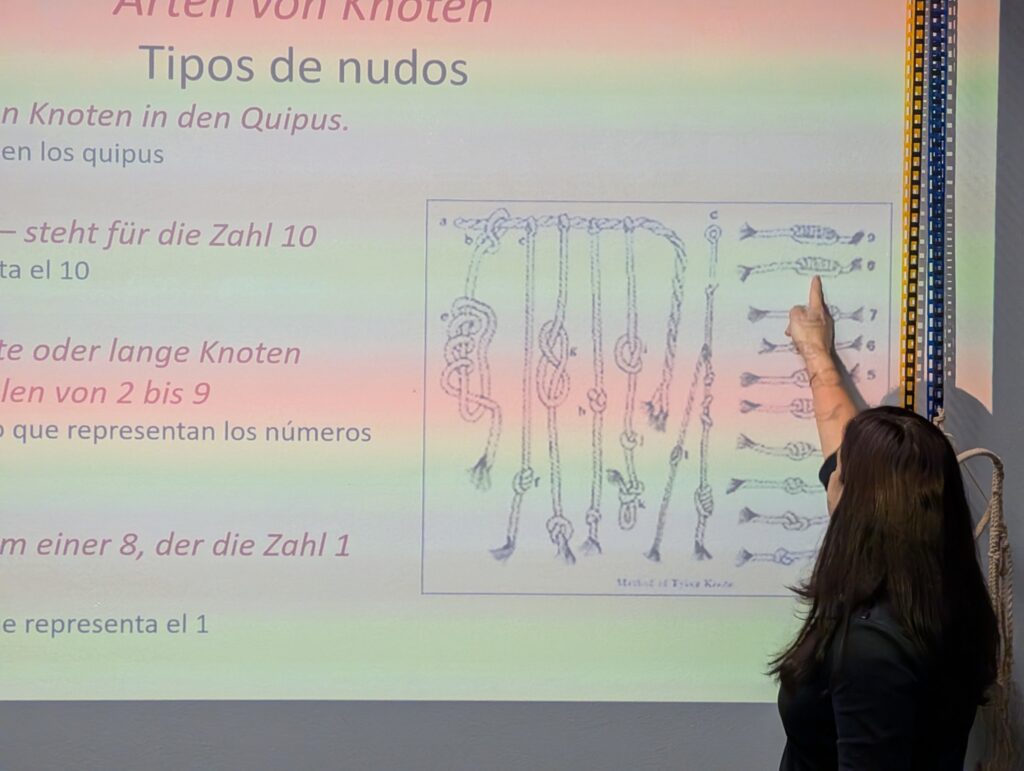
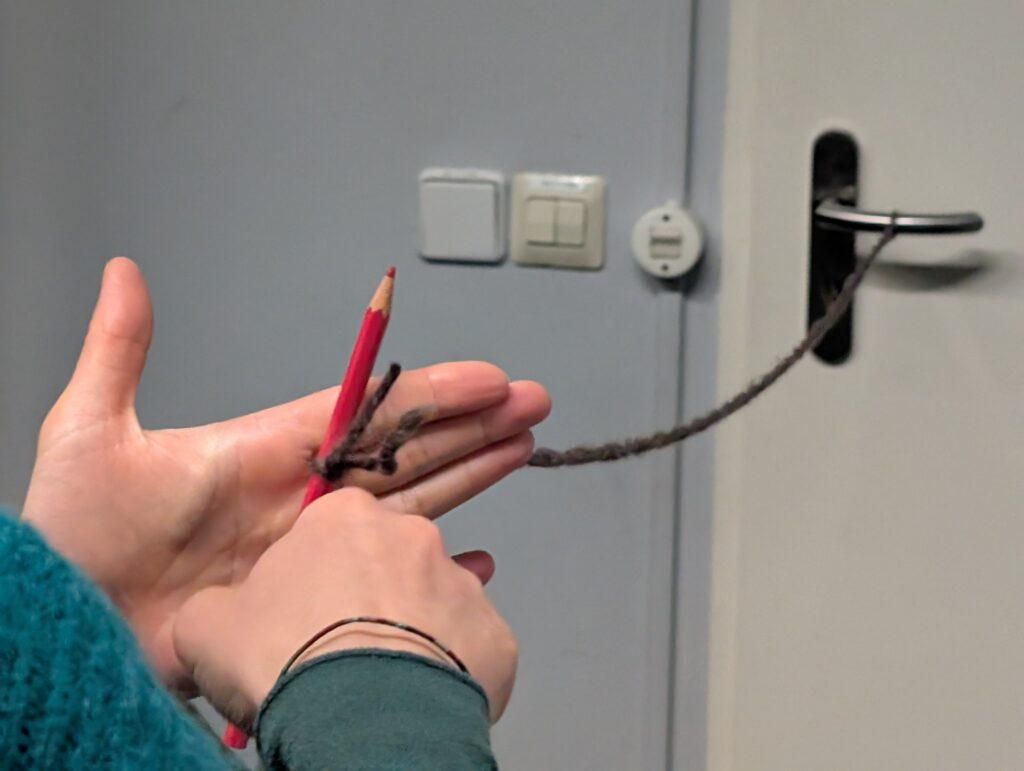
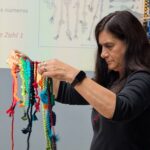
At the centre of our workshop was the quipu: a system of knotted cords used in various Andean societies, especially in the Inca Empire, to store and pass on information. Colours, types of knots and their positions could carry meaning. The cords were connected to the knowledge of the people who made, read and explained them. While numerical encodings are understood today, other meanings and uses remain partly unclear.
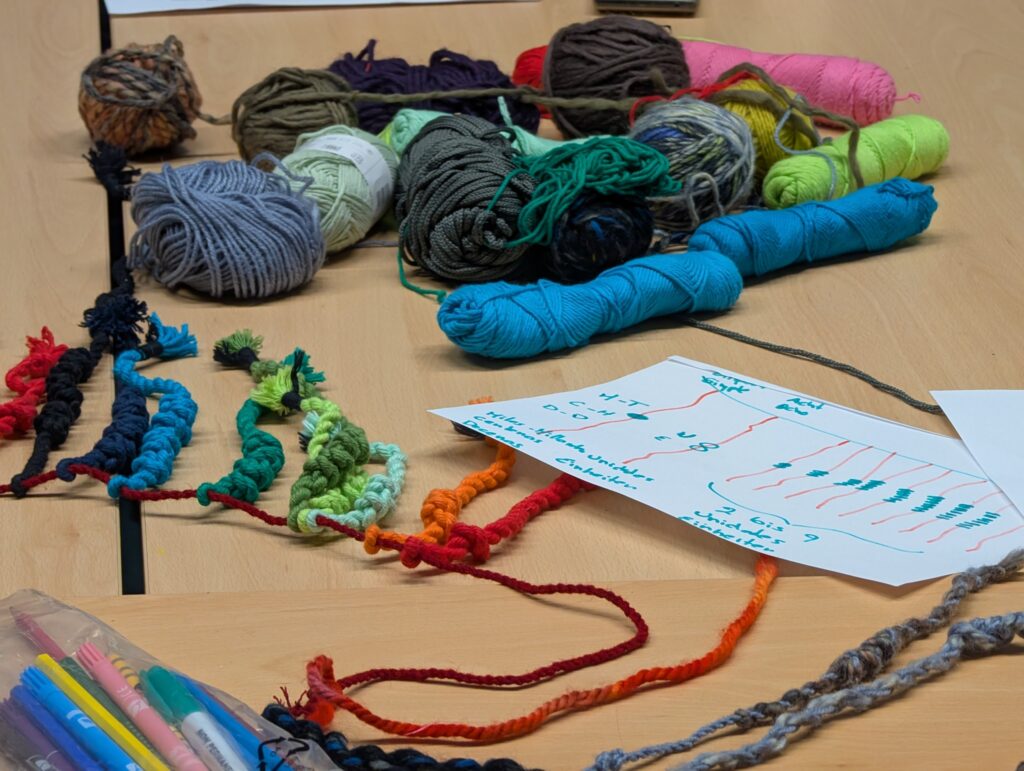
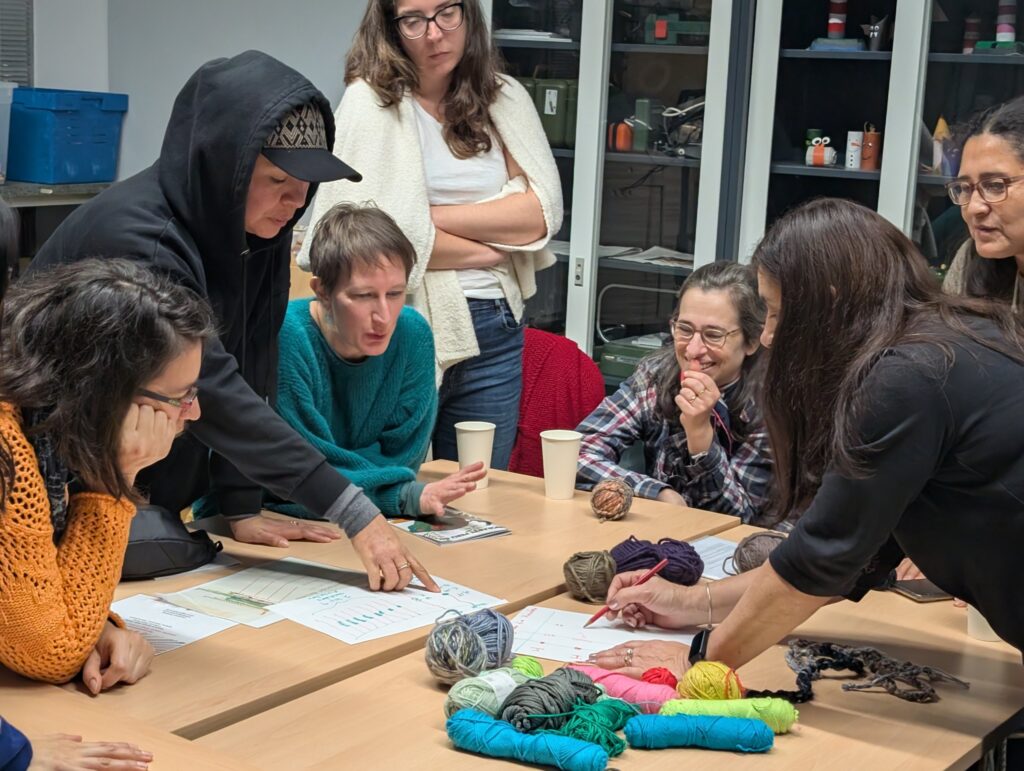
Inspired by this, we made personal knotted cords representing events that are meaningful in our lives and to our families. We thought about which memories we wanted to hold on to and gave them form through knots.
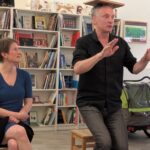
Through the interplay of materials, making and storytelling, we explored different ways of expressing and sharing knowledge, across languages as well.
We took home personal memory objects and an open question: How can we learn from cultural traditions and work with them while acknowledging their origins, their meaning and the people who carry this knowledge?