PLURI (Plurilingualism for Better Education, Cohesion and Linguistic Diversity) is a two-year European project co-funded by the European Union. It explores how multilingualism can become a more visible and natural part of education and everyday community life. Many people use more than…
Language is much more than just a tool for exchanging information. It is connected to family, memory, a sense of belonging, education, identity, and how we participate in society. Europe is highly multilingual. Alongside national and regional languages, people use hundreds of…
PLURI combines digital tools, art-based methods, participatory research and practical, community-based work to promote positive perceptions of language diversity. A key element of our approach is participatory action research. This means that educators, families, students, researchers and community organisations are not merely…
PLURI is a two-year project based on the principle that meaningful change is more likely to happen when those affected by an issue are involved in developing the response. This is why our activities are interconnected. For example, a question may arise…
PLURI brings together people from research, education, the arts and community-based practice. Our collaboration grew out of an earlier Erasmus+ project, LangWork, and a shared interest in making linguistic diversity more visible in education and public life. The project is built on…
During PLURI scientific seminars the team connects with researchers working on topics related to multilingualism, translanguaging and education to exchange knowledge and discuss questions emerging from the project. PLURI creates a space to connect current research with experiences and insights from PLURI’s practical activities.
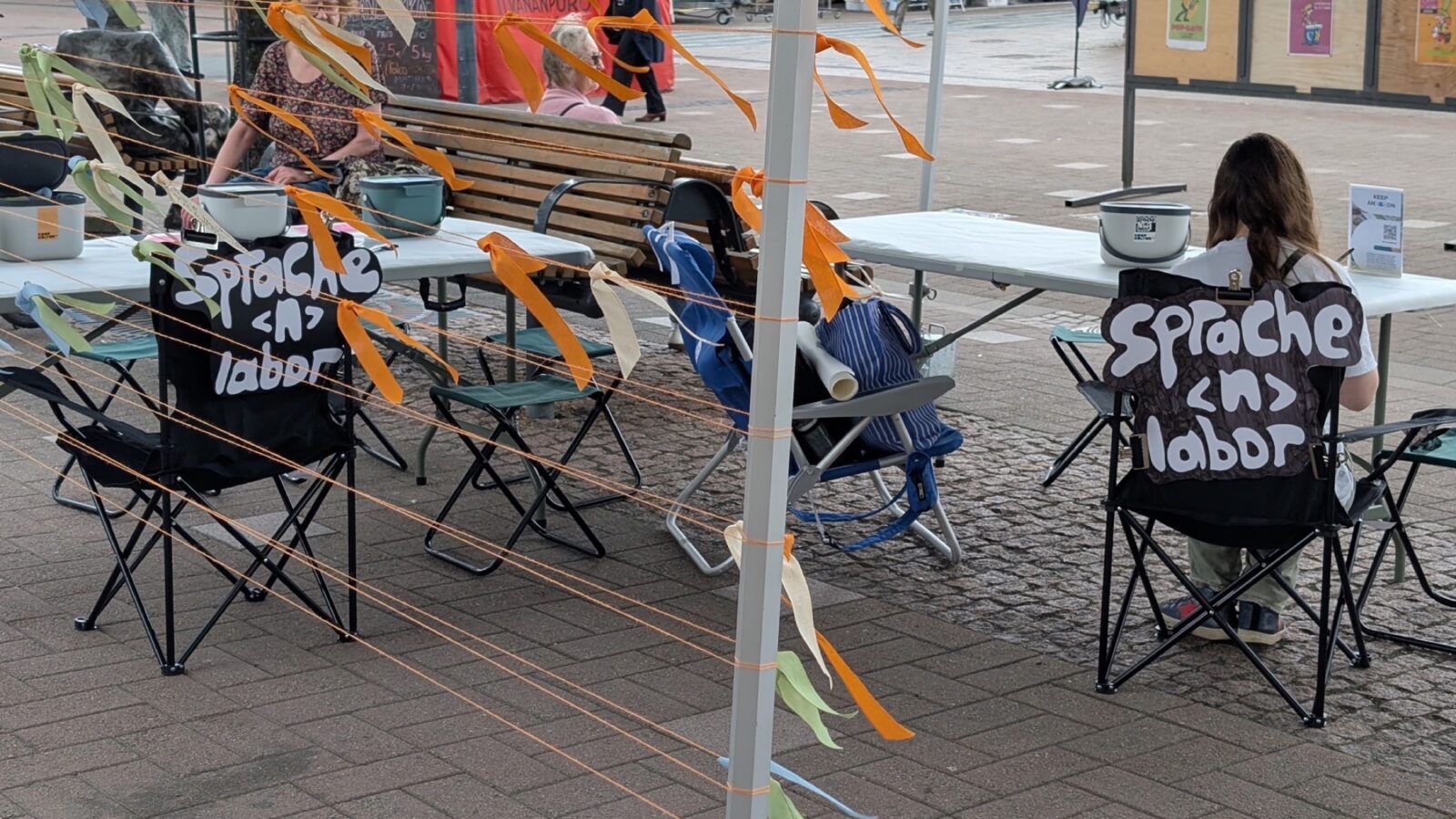
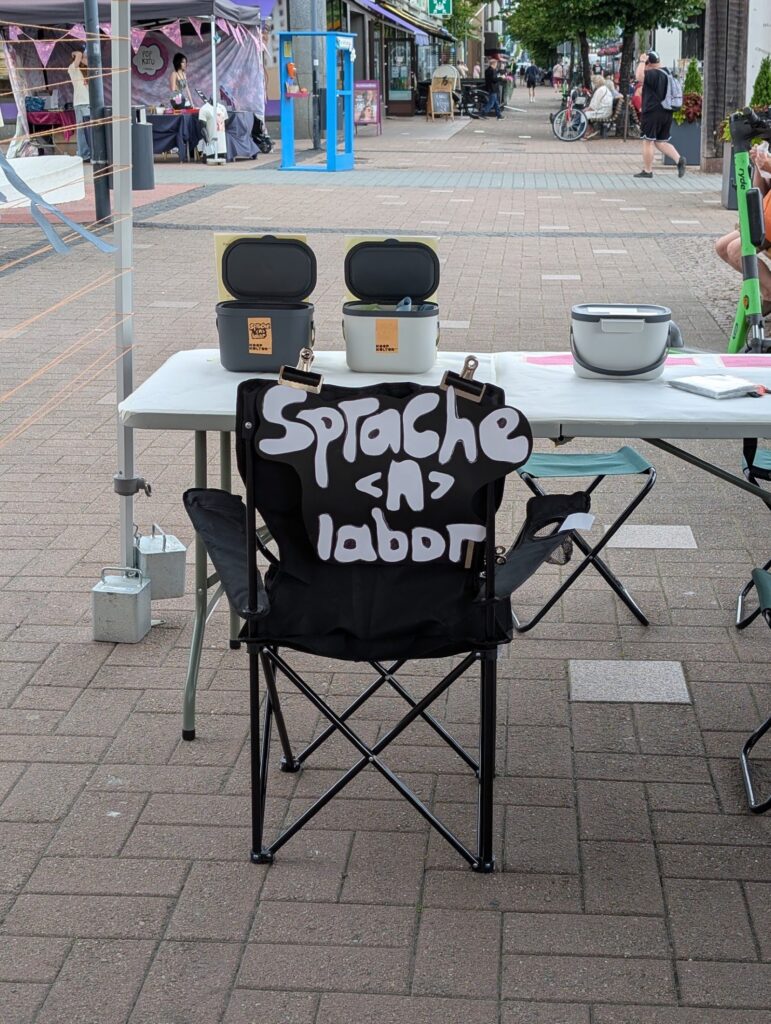
This box contains tools with which you can mark and change a place as a Language(s) Lab for the duration of your work. That can be a single table, a corner of a room, a wall, a corridor or a whole room.
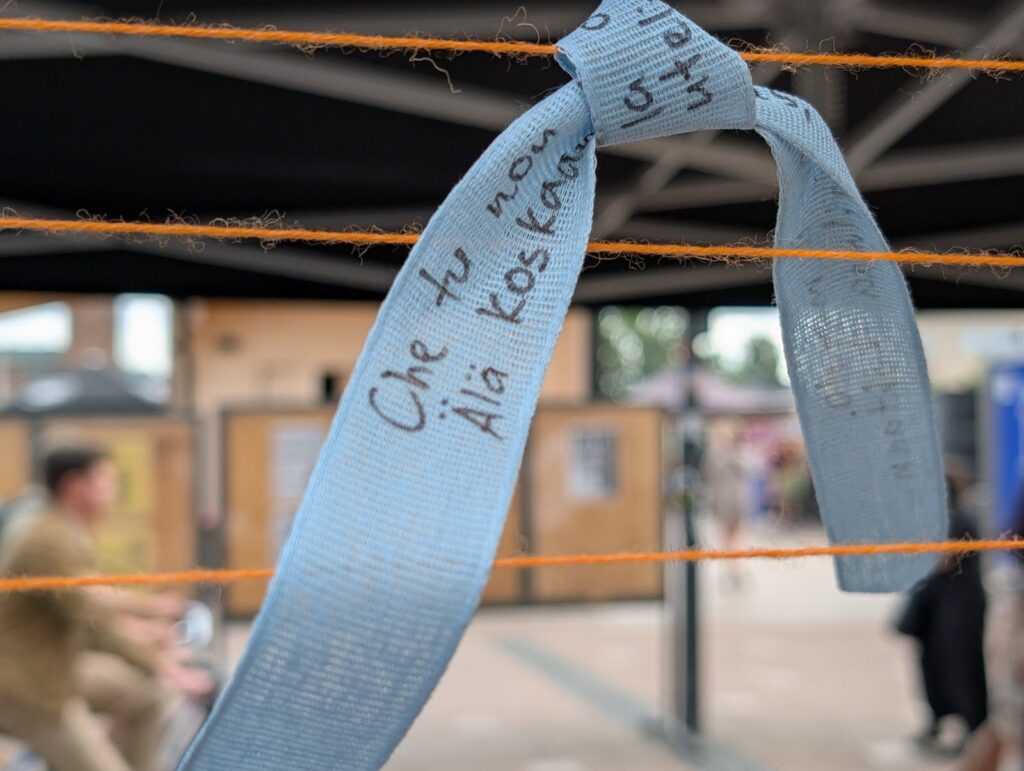
Language needs space to become visible. The space tool helps you to occupy surfaces, capture traces of your work and set language in motion in the room. This can make visible which voices, signs and forms of expression otherwise get little space.
There is no fixed order. Each group develops its own Language(s) Lab.
What’s in the box
Variable plug-in system
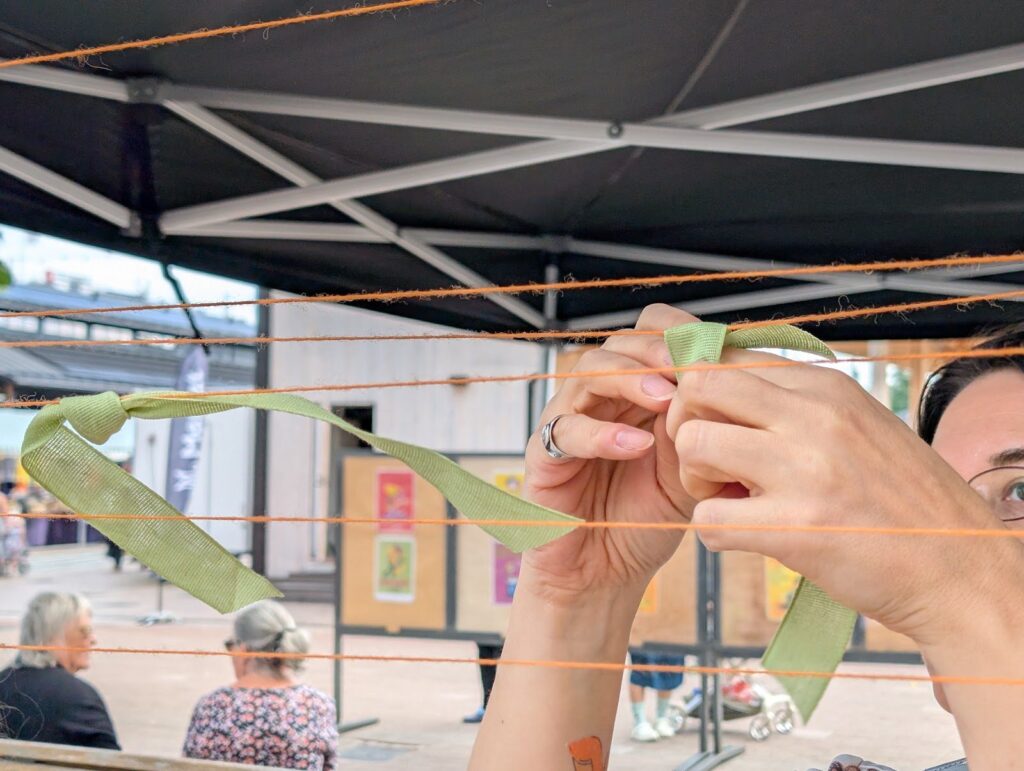
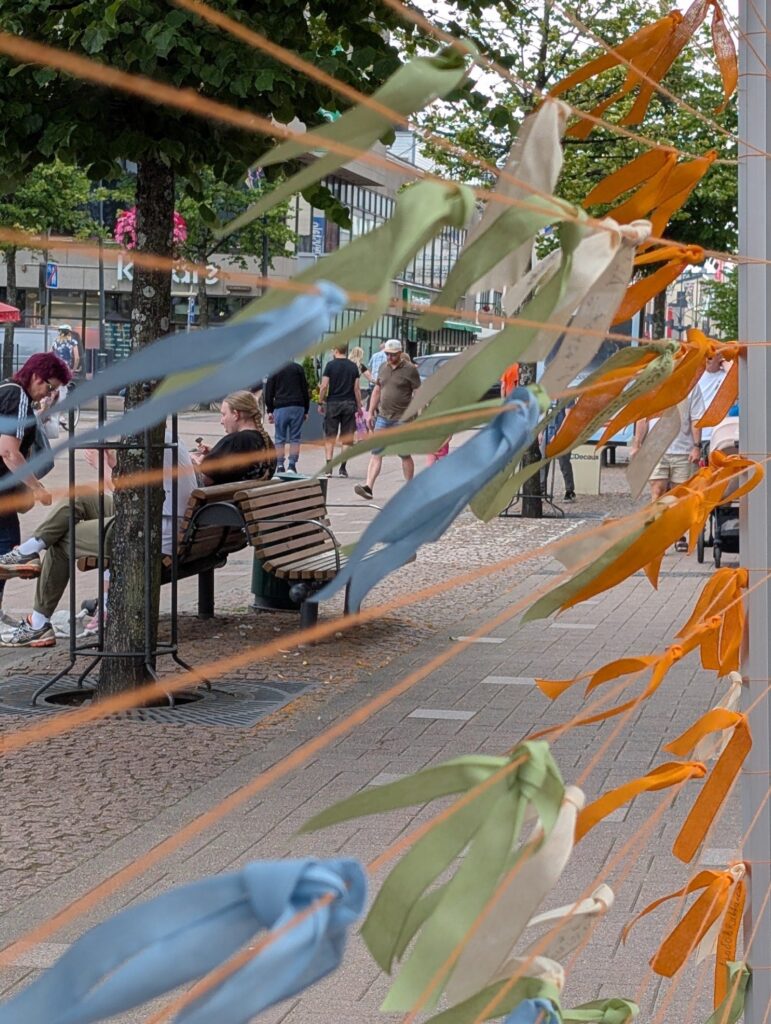
Tape, strings and ribbons
Clips, pegs and pins
Small trays for language material
Blank cards and writing materials
The set is open: add things you find on site or need for your work.
Ideas for using it
Mark and name places: show where your Language(s) Lab takes place. With tape, signs or stands, mark a table, a corner, a wall, a corridor or other areas – and give the place its own name.
Collect language material: words, phrases, drawings and found objects need a place where they can stay. Use boxes, trays or the plug-in system so that single notes become a shared collection.
Make visible and attach: hang up, stand up or stick up what is created – not only finished works, but also questions, sketches and steps in between. Strings, clips, walls and stands help to keep traces of the work visible in the room.
We only use technically necessary storage, for example to remember the selected language. External content such as videos from YouTube or audio from Spotify is only loaded after consent – data is then transferred to these providers. The choice can be changed at any time via “Cookie settings” in the footer. Privacy policy